Hallucination and reality

Interview with Alexander Walmsley
In the interview, Alexander Walmsley talks about his path from archaeology and anthropology to art, media art, and media studies. He describes his interest in the interaction between technology, society, and reality, which today is primarily focused on contemporary media phenomena. Through projects such as digital reconstructions and VR exhibitions, he illustrates how reality is increasingly perceived as something that can be shaped.

Would you like to briefly introduce yourself?

My name is Alexander Walmsley. I am an artist and researcher and work as a research associate at the Film University Babelsberg KONRAD WOLF. My focus is on art, film, and media art. I am currently pursuing a PhD in media studies.

How did you come to follow this path?

I initially studied archaeology and anthropology at the bachelor’s and master’s level, and later moved into art and photography. Towards the end of my master’s degree, I became deeply interested in 3D reconstructions of archaeological excavation sites. I digitally reconstructed historical cities and implemented them as VR applications, for example for museums. At the same time, I was working on my own photographic projects, which ultimately led me more strongly into the field of art.

What has always interested me about anthropology and archaeology—and still does today—is the interaction between technology, society, and the individual. During my studies, this interest was mostly situated in a historical or prehistoric context, whereas today I am more concerned with the contemporary context.

Which of your projects in the field of digital exhibitions has particularly stayed with you?

One of my first larger projects was the 3D modelling of the city of Stade in Lower Saxony about six years ago. The model depicts the city as it appeared in 1620 as a VR application and, as far as I know, can still be seen in the museum. I modelled every single building, allowing visitors to move freely through the city. It was a very demanding project, but also a very rewarding one.
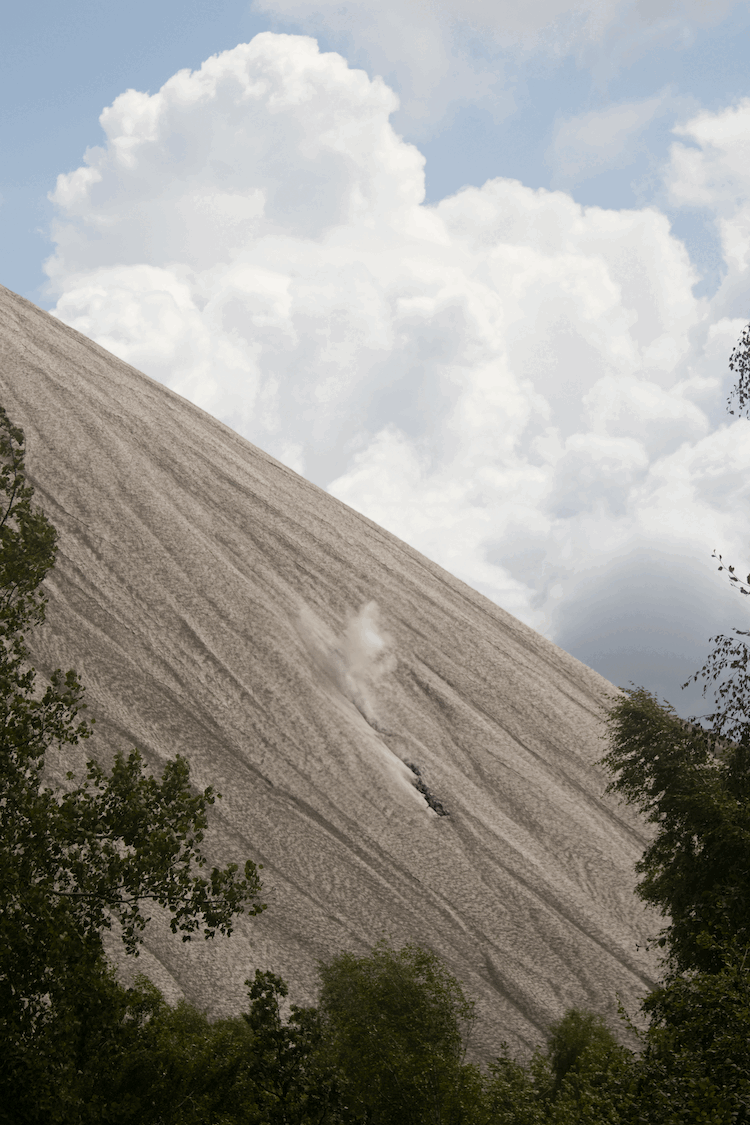
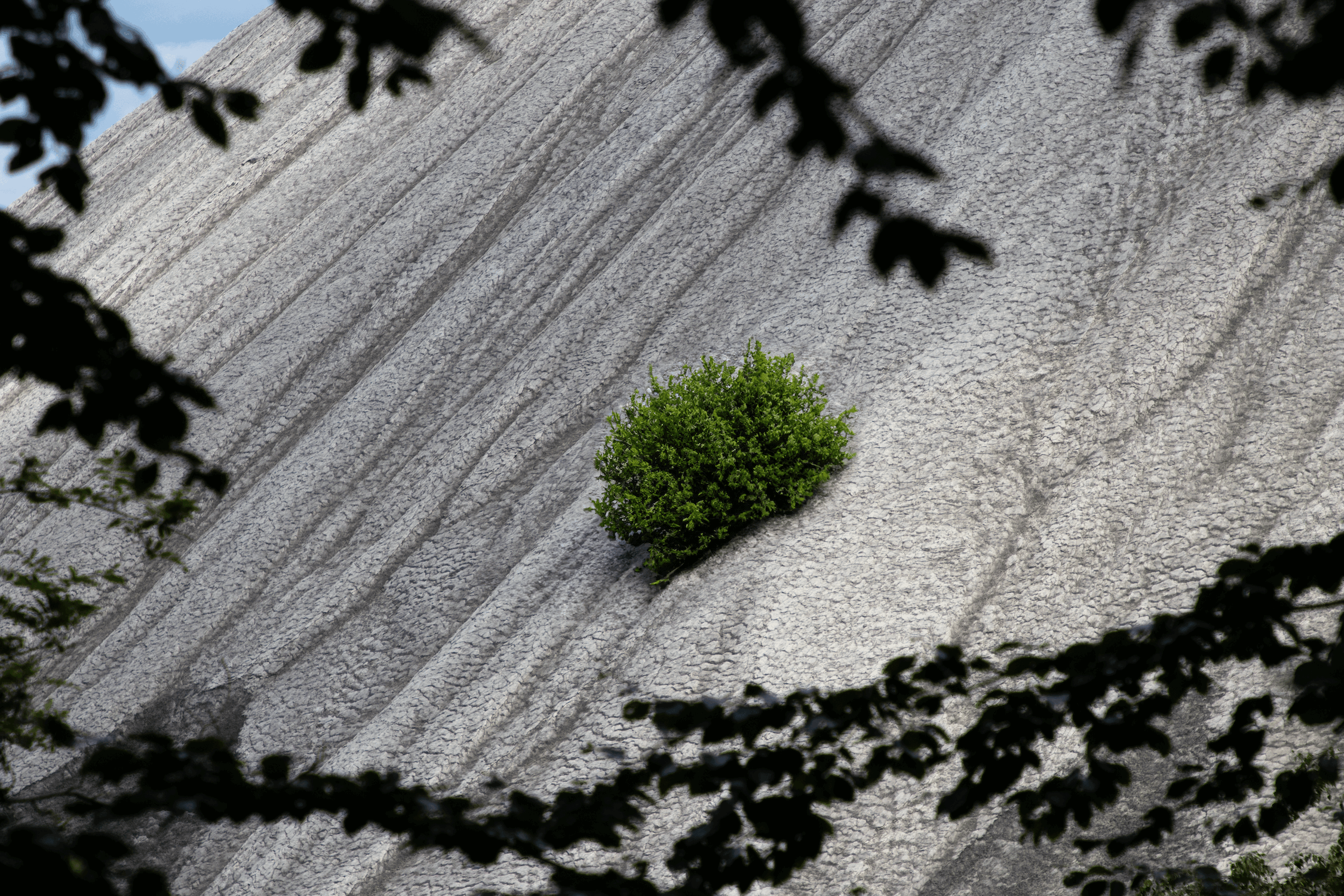
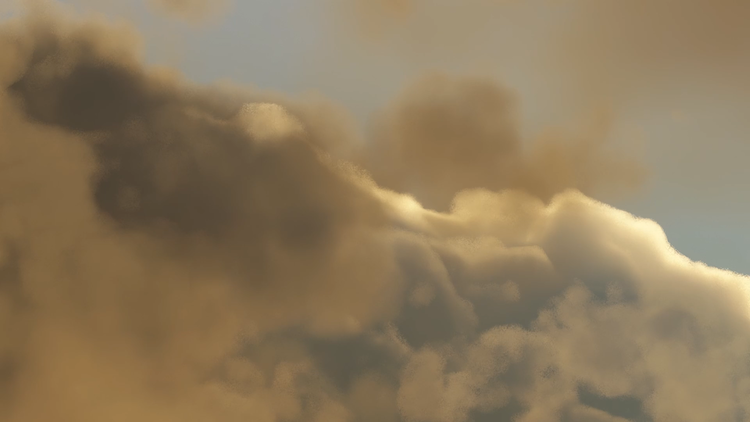
Venusberg (2023–ongoing) is an ongoing film and photography project that stages Monte Kali—a man-made mountain near Eisenach composed of potash salt—as the mythical Venusberg from the Tannhäuser legend. Through AI-assisted manipulation of the photographs, the project creates a series of images that, like its central motif, explores the space between artificiality and naturalness.
Edit


Venusberg (2023–ongoing) is an ongoing film and photography project that stages Monte Kali—a man-made mountain near Eisenach composed of potash salt—as the mythical Venusberg from the Tannhäuser legend. Through AI-assisted manipulation of the photographs, the project creates a series of images that, like its central motif, explores the space between artificiality and naturalness.

Edit
Venusberg (2023-fortlaufend)
Edit

What do you think students can take away from lectures such as the KD Talks?

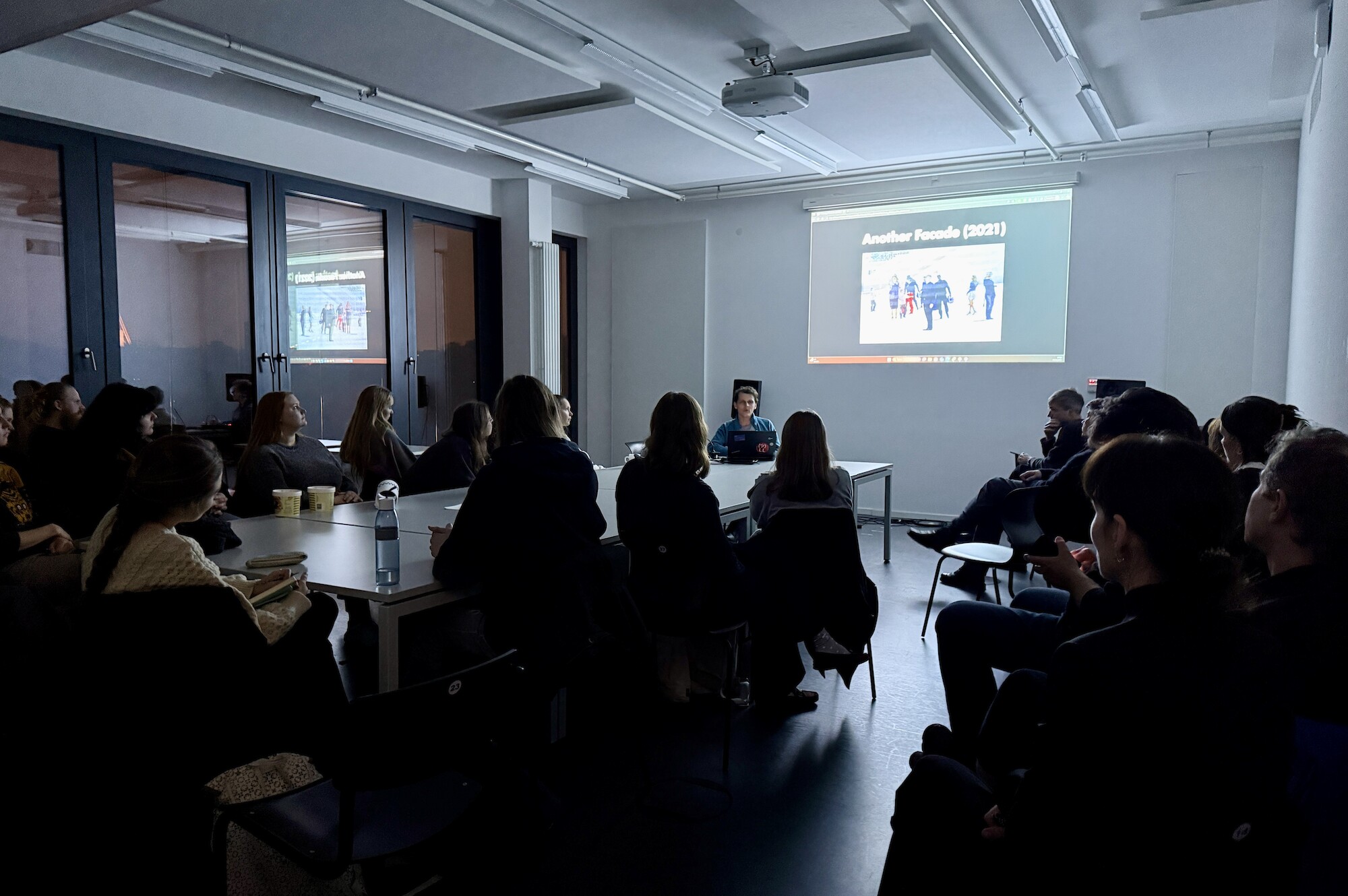
That’s not an easy question to answer. In my talk, I tried to show how the relationship between hallucination and reality has changed over the decades and how it presents itself today. This immediately raises the question: what is currently happening to our concept of reality?

There are many examples from everyday life, such as the manipulation of reality on social media, but also its representation in scientific simulations or video games. The reception of these representations is strongly influenced by personal background. I am particularly interested in the historical roots of certain phenomena and myths, as I explored, for example, in the project Venusberg.

Students come from very different backgrounds, and accordingly their associations are highly diverse. Today, in Kim Albrecht’s course, I saw five or six very different projects—all of them fascinating and emerging from very distinct perspectives.

Have you participated in similar events before? And if so, what have they given you personally?

Yes, I have given several talks in similar formats. The thematic framework is always different, and each time you have to reconsider how your own contribution connects to it. That is exactly what I find exciting, because it generates associations that I was often not consciously aware of beforehand.

So would you say you gain new impulses for thinking?

Exactly. Even in preparing a talk, you have to reformulate your thoughts depending on the topic and the audience. This process of re-articulation often leads to a different understanding of your own academic position.

Edit
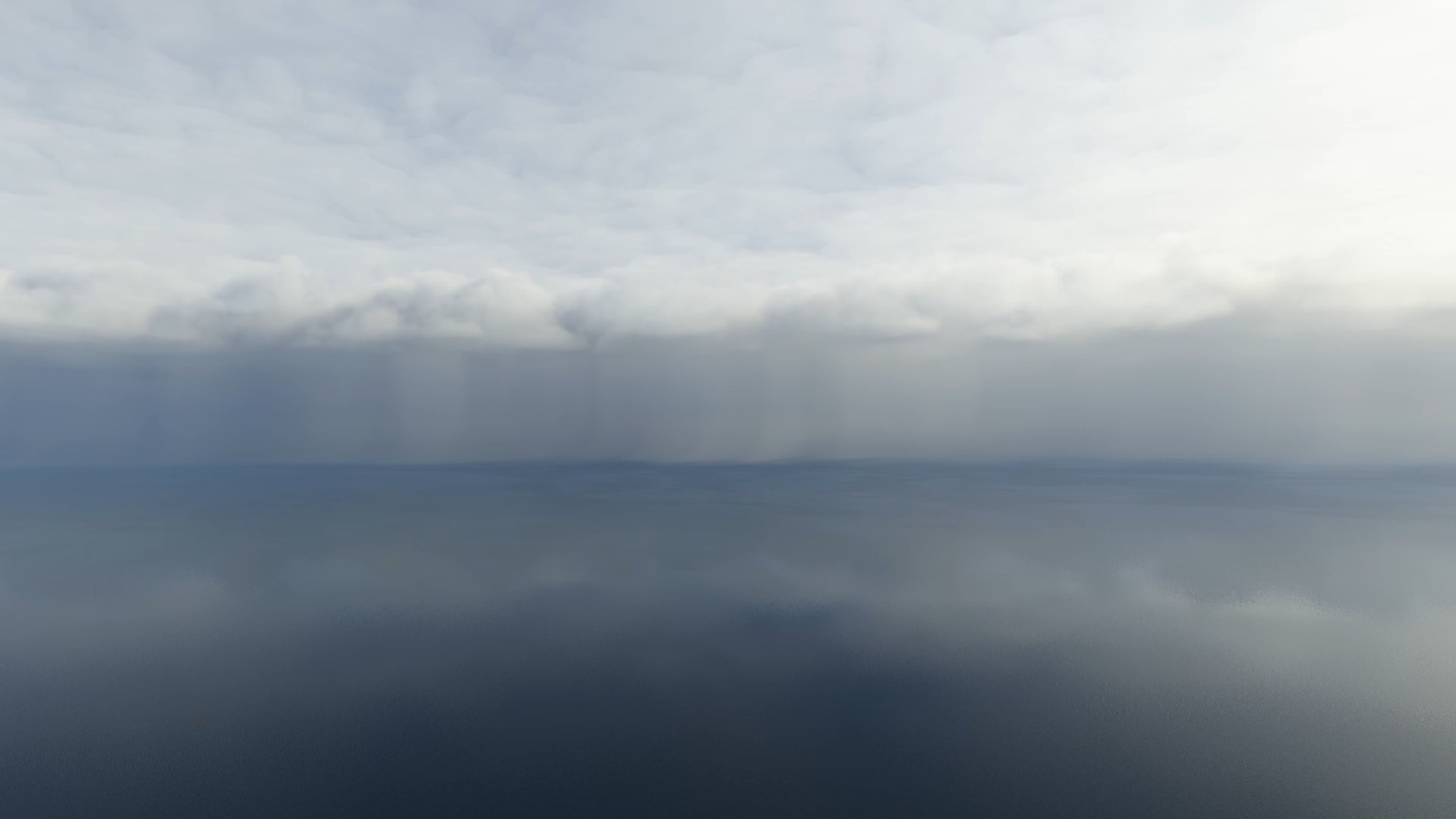
Tropical Depression (2025) traces the trajectories of 21 cyclones that formed and dissipated in the Southern Hemisphere during the 2023/24 season. Visually and sonically, found materials merge with text fragments and recordings of real-time sequences from meteorological simulations in Microsoft Flight Simulator. The film examines the aesthetic implications of a documentary approach based on data-generated rather than camera-based images, as well as the representation of extreme weather events in data-driven climate models.
Edit


Tropical Depression (2025) traces the trajectories of 21 cyclones that formed and dissipated in the Southern Hemisphere during the 2023/24 season. Visually and sonically, found materials merge with text fragments and recordings of real-time sequences from meteorological simulations in Microsoft Flight Simulator. The film examines the aesthetic implications of a documentary approach based on data-generated rather than camera-based images, as well as the representation of extreme weather events in data-driven climate models.

Edit
Tropical Depression (2025)
Edit

One final question: what would you like to pass on to students?

I believe it is extremely important to develop one’s own artistic language. This takes time and does not end with graduation. Many students, especially at the master’s level, expect that after two or three years they will be “finished” and able to do everything. That expectation is understandable, but unrealistic.
The most important answers are not found during one’s studies, but often much later—essentially over the course of an entire professional life. For me, it was an important realization that learning never stops. That may sound discouraging at first, but I actually see it as something positive. At the beginning of their studies, many students ask me what they can expect after two years.

The honest answer is: nothing concrete. You have to shape this path yourself.

The interview was conducted by Klara Linden and Jan Rzepka on November 17, 2025.
Images: Alexander Walmsley

Edit

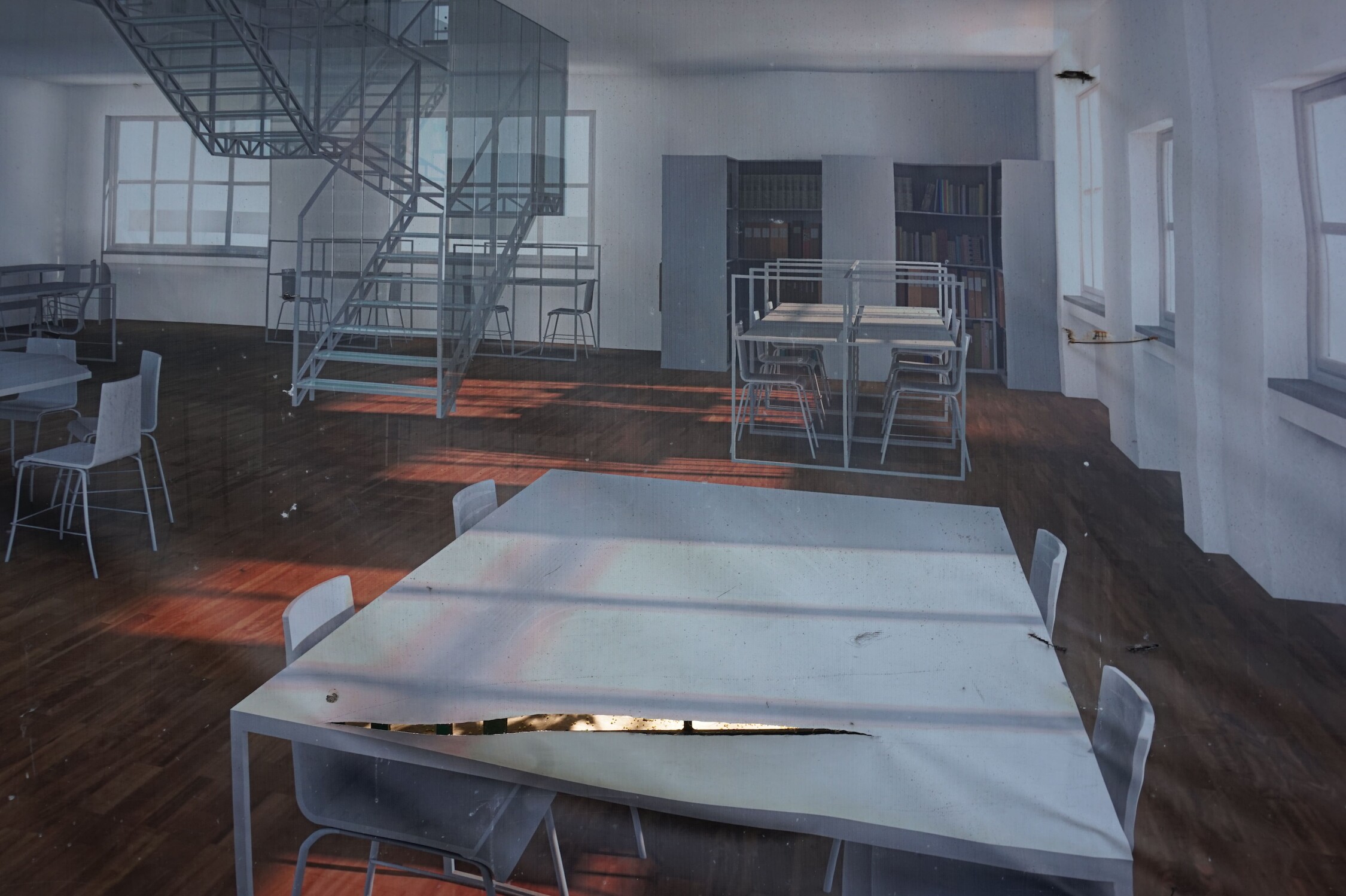
Another Facade (2021) untersucht CGI-Visualisierungen an Baustellen in Tirana, die eine verheißungsvolle Zukunftsstadt inszenieren, während die reale Stadt-entwicklung zunehmend von privaten Interessen und für viele nicht erschwinglichen Immobilien geprägt ist. Die Fotografien zeigen diese künstlichen Zukunftsbilder, deren Szenen zwischen dystopisch und komisch schwanken.  Die Serie reflektiert diese virtuelle Realität und hinterfragt die künstlichen Fassaden, die sie erzeugt.

Edit
Another Facade (2021) examines CGI visualizations at construction sites in Tirana that stage a promising city of the future, while real urban development is increasingly shaped by private interests and unaffordable real estate for many residents. The photographs depict these artificial visions of the future, whose scenes oscillate between dystopian and comic. The series reflects on this virtual reality and questions the artificial façades it produces.
Another Facade (2021)
Edit
University of the Arts