Visual Identities

Interview with Visiting professor Stefan Guzy
Lehrgebiet: Visual Identities
After teaching at a wide range of art academies, Stefan Guzy found at Folkwang exactly what appeals to him: space for open, contemporary teaching in visual communication. He sees the visiting professorship as an experimental field with real projects, interdisciplinary formats, and students who are eager to explore and try things out. His conclusion after the second semester is clear: strong work, lively exchange, and a tangible sense of enthusiasm on both sides.

What motivated you to take on the visiting professorship?

Stefan has already taught at various art academies. Folkwang stands out for him because of its exciting reputation and its range of programs. He was keen to try out his ideas of what modern, contemporary teaching in visual communication can be like at Folkwang. He also has to say that he already had a very nice semester. Good projects came out of it, which he really enjoyed, and the students enjoyed them as well.

What was your first impression of Folkwang?

In general, academic landscapes are of course very different. You can study design at art academies, but also at universities of applied sciences and private schools. Stefan has experienced the whole spectrum, and before his visiting professorship he already got to know Folkwang through a screen-printing workshop with Thomas Kühnen. Accordingly, he already knew the building. He finds the Zeche Zollverein site very exciting, even if a peripheral location always brings certain challenges. Ultimately, however, according to Stefan, it is the people who matter, not the building. You can of course tell that it is a new building. An art academy is allowed to look “used” – that develops over time, when traces of projects become visible.

Would you like to tell us something about your background?

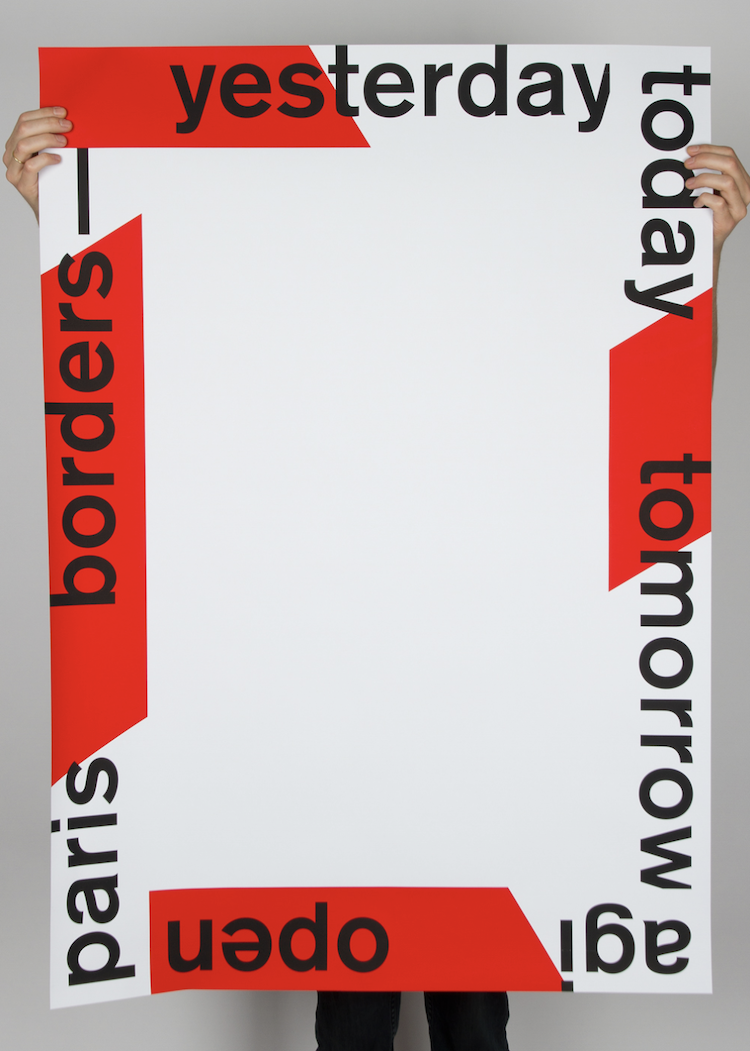
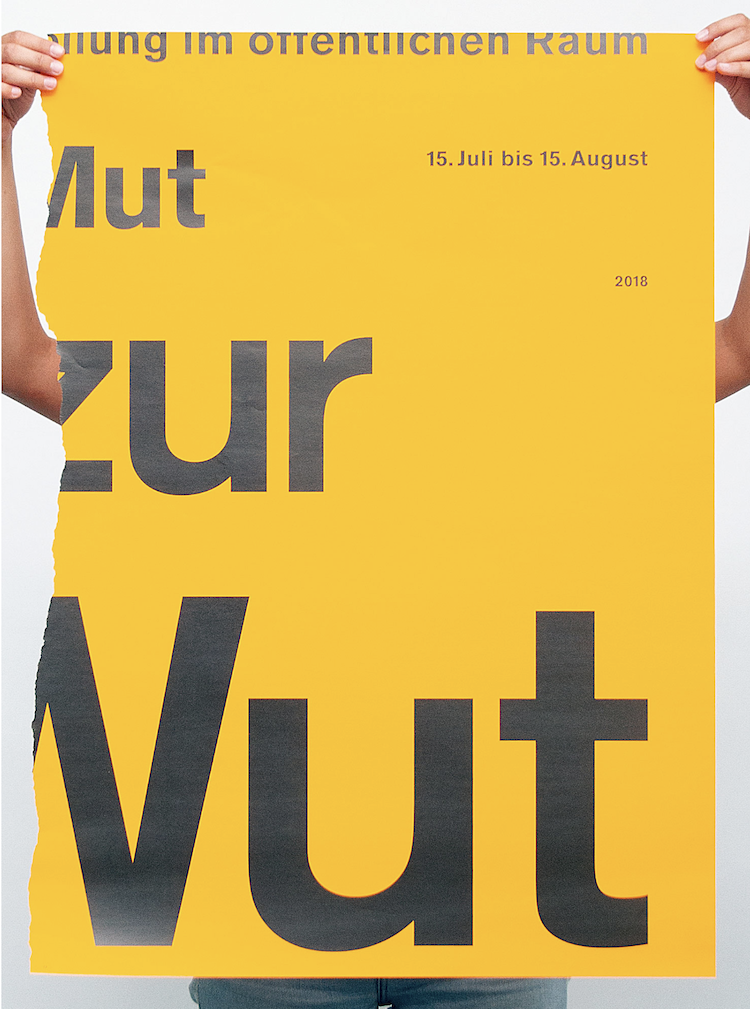
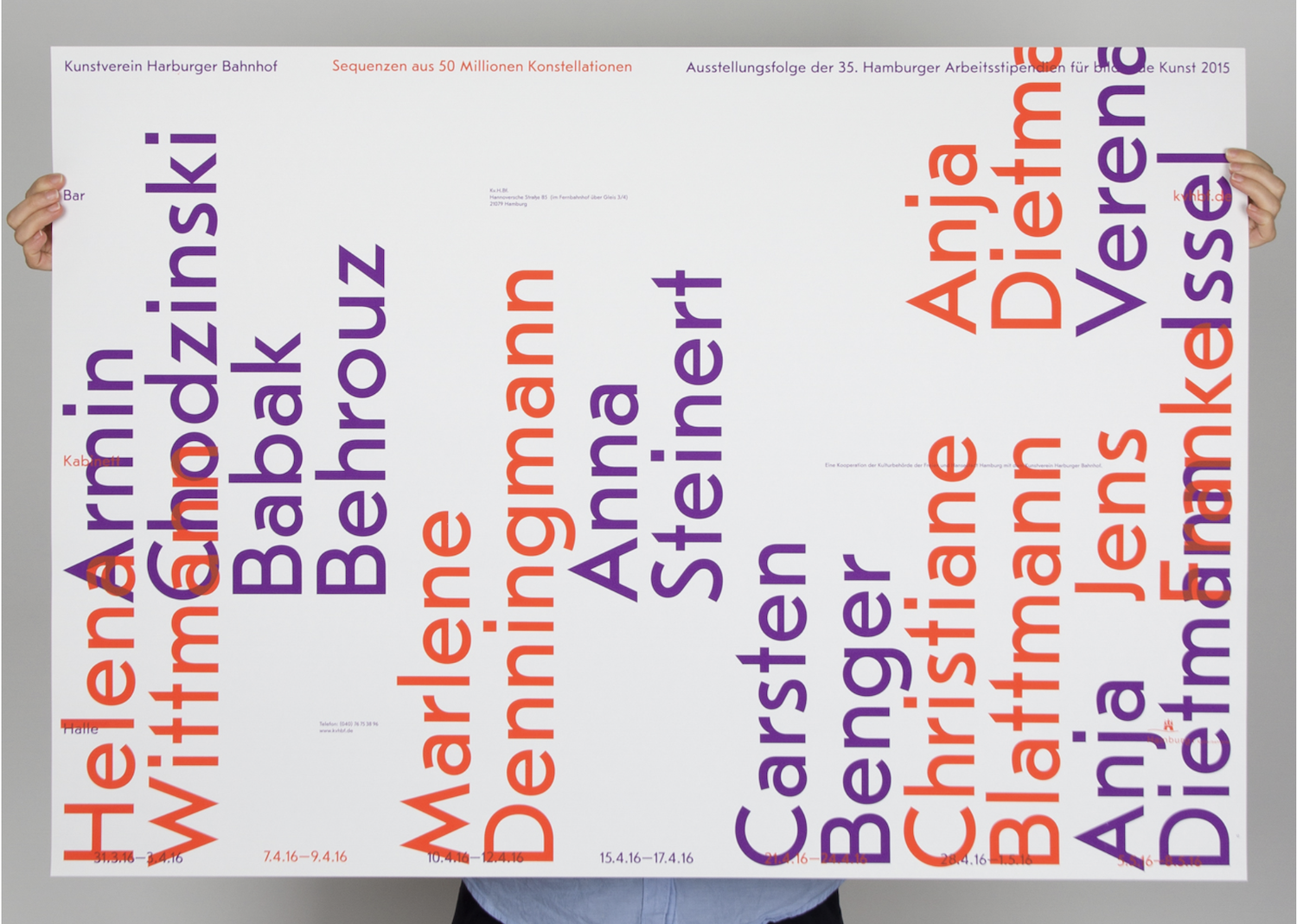
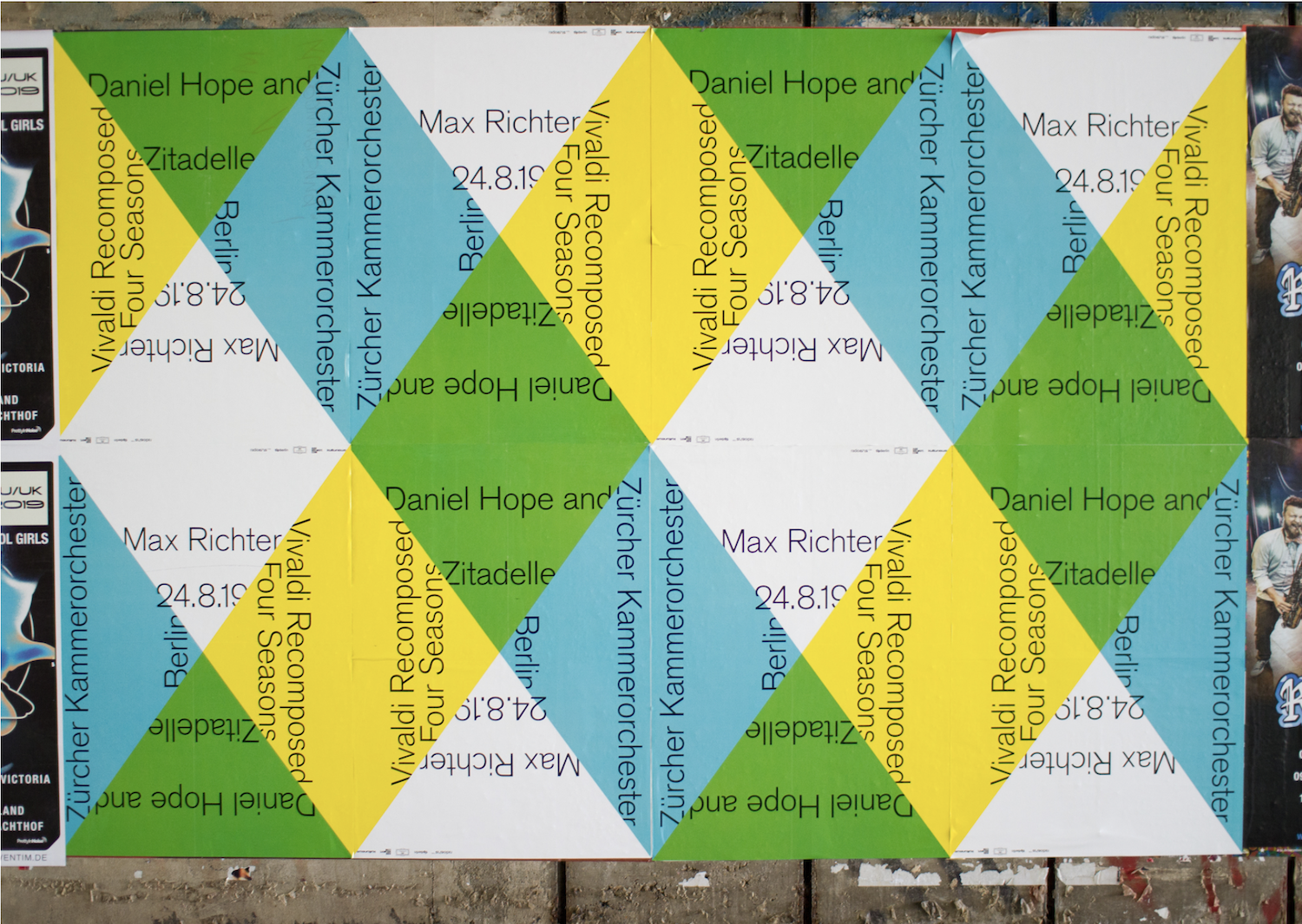
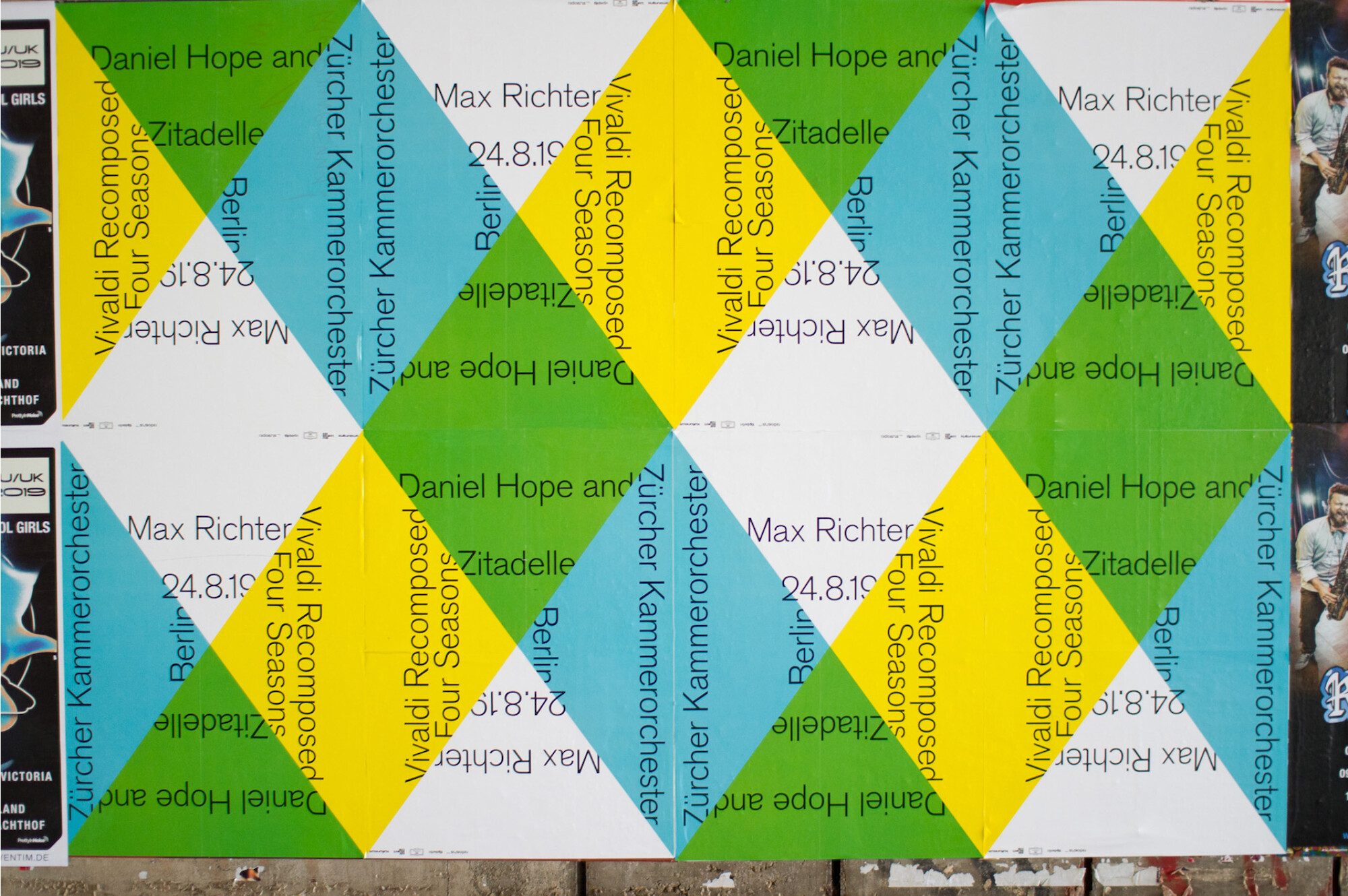
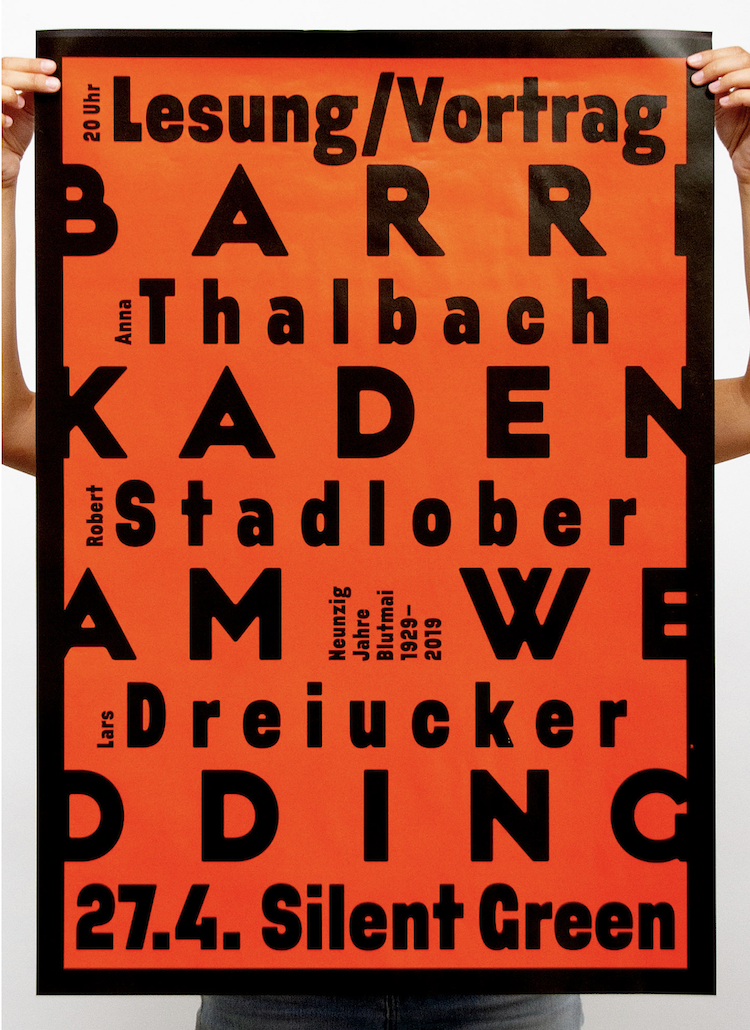
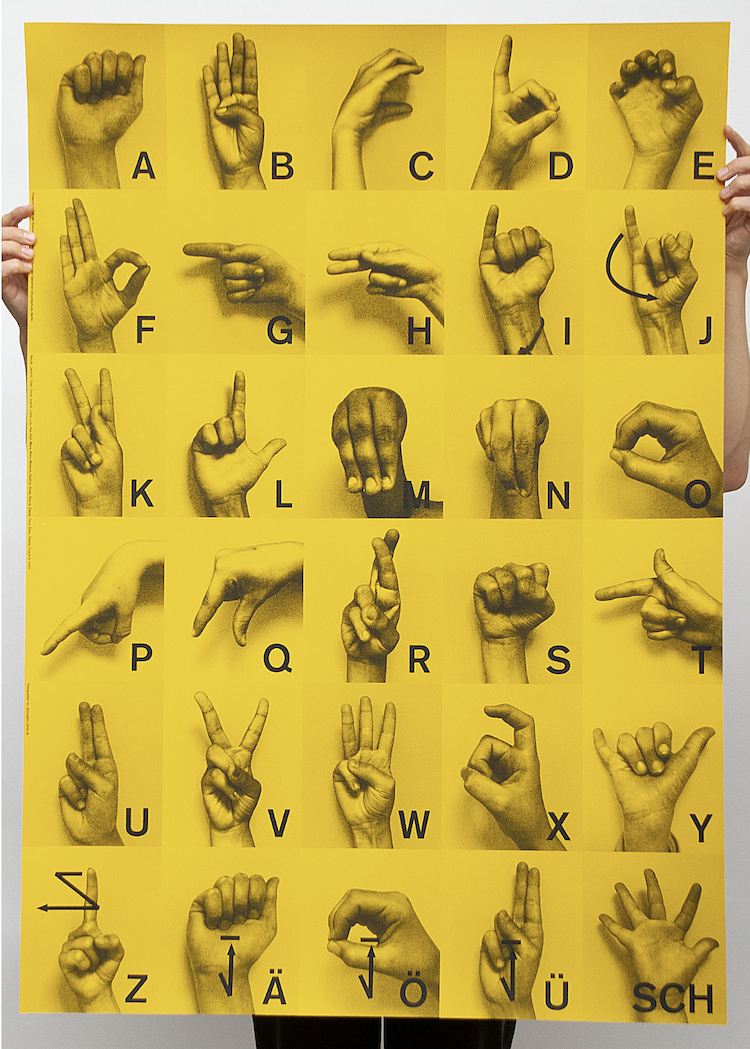
Stefan originally comes from a music and moving-image background. He studied at the Berlin University of the Arts and worked for many, many years in communication design, especially for cultural clients. Posters have been a constant in his work. Later, exhibition design, the history of typography and a screen-printing studio for art prints were added, and finally a publishing house for experimental print graphics. Today, his focus is on teaching.
Which courses and projects did you offer?

In the winter semester 2025, Stefan offered a teaching program that was deliberately open and experimental in its approach. In a course for master’s students, he explored the topic of fraud and the question of what we actually consider to be true or false. The starting point was current social debates, which were examined through design — for example through forgeries or digital formats such as websites that were not what they seemed to be.

In addition, Stefan works together with Christin Heinze on the Rundgang communication: a small team of students develops posters and online media and operates like a small design studio within the university. In the project “6×6”, created in collaboration with Prof. Jan St. Werner from the Folkwang Pop Institute, six design students and six music students meet and develop performances in tandems in which graphics and music come together. The program is complemented by a workshop project with Prof. Ralf de Jong — a pop-up Christmas market for which students designed, produced, and sold stationery products.

In the summer semester 2025, Stefan offered a course in which the students themselves contacted companies in order to design posters for real clients. Fake projects were deliberately not an option. Why pretend to work for a brand when you can realize real commissions? It was all the more surprising that in the end, every single person actually had a real client. Of course, not everything went smoothly — clients didn’t get back in touch, changed their minds, or disappeared in between — but that is exactly part of the process. The result was work that was actually produced and used, and that was the decisive point for Stefan.

What do you want to convey to students through your projects?

An interdisciplinary way of thinking is very important to Stefan. He wants to convey that in the design process you can freely consider which medium makes sense. He is also very focused on concepts. Especially in the context of AI, smart ideas are what distinguish us. Formal aspects are important, but the concept is decisive. Stefan wants to promote thinking about design and the dialogue around it.

How do you convey your teaching content in practice?

Stefan sees himself as a companion, moderator, and coach. During his teaching he is as present as possible, works in a dialogical way, and continuously accompanies processes. He often starts with impulses and research, from which projects develop. Stefan weaves specialist knowledge into the process along the way.

Edit

Which courses and projects did you offer?

In the winter semester 2025, Stefan offered a teaching program that was deliberately open and experimental in its approach. In a course for master’s students, he explored the topic of fraud and the question of what we actually consider to be true or false. The starting point was current social debates, which were examined through design — for example through forgeries or digital formats such as websites that were not what they seemed to be.

In addition, Stefan works together with Christin Heinze on the Rundgang communication: a small team of students develops posters and online media and operates like a small design studio within the university. In the project “6×6”, created in collaboration with Prof. Jan St. Werner from the Folkwang Pop Institute, six design students and six music students meet and develop performances in tandems in which graphics and music come together. The program is complemented by a workshop project with Prof. Ralf de Jong — a pop-up Christmas market for which students designed, produced, and sold stationery products.

In the summer semester 2025, Stefan offered a course in which the students themselves contacted companies in order to design posters for real clients. Fake projects were deliberately not an option. Why pretend to work for a brand when you can realize real commissions? It was all the more surprising that in the end, every single person actually had a real client. Of course, not everything went smoothly — clients didn’t get back in touch, changed their minds, or disappeared in between — but that is exactly part of the process. The result was work that was actually produced and used, and that was the decisive point for Stefan.

What do you want to convey to students through your projects?

An interdisciplinary way of thinking is very important to Stefan. He wants to convey that in the design process you can freely consider which medium makes sense. He is also very focused on concepts. Especially in the context of AI, smart ideas are what distinguish us. Formal aspects are important, but the concept is decisive. Stefan wants to promote thinking about design and the dialogue around it.

How do you convey your teaching content in practice?

Stefan sees himself as a companion, moderator, and coach. During his teaching he is as present as possible, works in a dialogical way, and continuously accompanies processes. He often starts with impulses and research, from which projects develop. Stefan weaves specialist knowledge into the process along the way.

Edit

What are you currently working on?

Stefan is currently working on a book project — a photo catalogue on the topic of old-age poverty, accompanied by the design of the exhibition. Alongside this, artistic editions and collaborations are continuously being produced in his screen-printing studio in Berlin.

https://www.handsiebdruckerei.de

Editor’s note:
On January 23, 2026 at 6:00 pm, the opening of the exhibition of the project course “Fraud” will take place, as well as the presentation of the course results of “6 × 6” together with Prof. Jan St. Werner in the SANAA building at Zollverein. More details coming soon on the website.

Credits:
Interview by Sophia Stenzel
Photos: Stefan Guzy

Edit
University of the Arts